Հոդվածների ամբողջական հայերեն թարգմանությունները պատրաստման փուլում են։ Առայժմ նյութերը հասանելի են անգլերեն և ռուսերեն։
Lion’s Mane: mycelium or fruiting body?
Mushroom Matters խմբագրություն
How Lion’s Mane mycelium differs from the fruiting body, why the growing medium matters, and what to check when choosing an extract, powder or capsules.
Lion’s Mane and Hericium erinaceus refer to the same mushroom. When choosing a product, however, the name alone tells you very little about what is inside. Two jars can both say Lion’s Mane while containing different fungal material, prepared in different ways. Start with three separate questions: which material was grown, how it was processed, and how the finished product is supplied.
What are mycelium and fruiting body?
Mycelium is the network of fungal filaments that grows through a suitable medium. The fruiting body is the visible structure associated with spore production: in Lion’s Mane it has the familiar cascading white spines. Both are parts of the fungus. Calling one of them the whole mushroom and the other a filler skips the information that matters: what material actually went into the product.
Why does the growing medium matter?
Mycelium can be cultivated in a liquid nutrient medium or on a solid substrate such as grain. A product made by drying and milling colonised grain can include both fungal biomass and the remaining grain. That is different from separated mycelial biomass. The useful question for a seller is not simply “Is this mycelium?” but “Is the growth medium removed, and what exactly is listed in the composition?” A picture of a white culture cannot answer that on its own.
Erinacines and hericenones: what the research compares
Research distinguishes the chemical profiles of mycelium and fruiting body. A 2025 study compared tissues and liquid culture media and found that the growing conditions influenced erinacine production. A separate investigation of fruiting bodies examined hericenones. These are studies of specific materials, not proof that every commercial mycelium product or every fruiting-body product has the same composition. The words on the front of a pack do not tell you the amount of a particular compound.
Mycelium or extract is the wrong comparison
An extract can be made from mycelium or fruiting bodies. Powder describes a physical form; it may be milled raw material or a dried extract. Capsules describe the container around that material. To compare two products fairly, write down the same three fields for each: starting material, processing, and serving composition. If one product does not disclose a field, leave it unknown rather than guessing from its name.
Which one is better for memory and focus?
The plant part or fungal tissue named on a label is not enough to predict a health outcome. The small 2009 Lion’s Mane trial used a particular dry powder in a defined group of participants. It did not compare all commercial powders, liquid extracts and capsules. A preparation, dose and study population need to match before a result can be applied directly. Our research guide discusses the findings and their limits; this buying guide cannot choose a treatment for memory problems.
What we use at Mushroom Matters
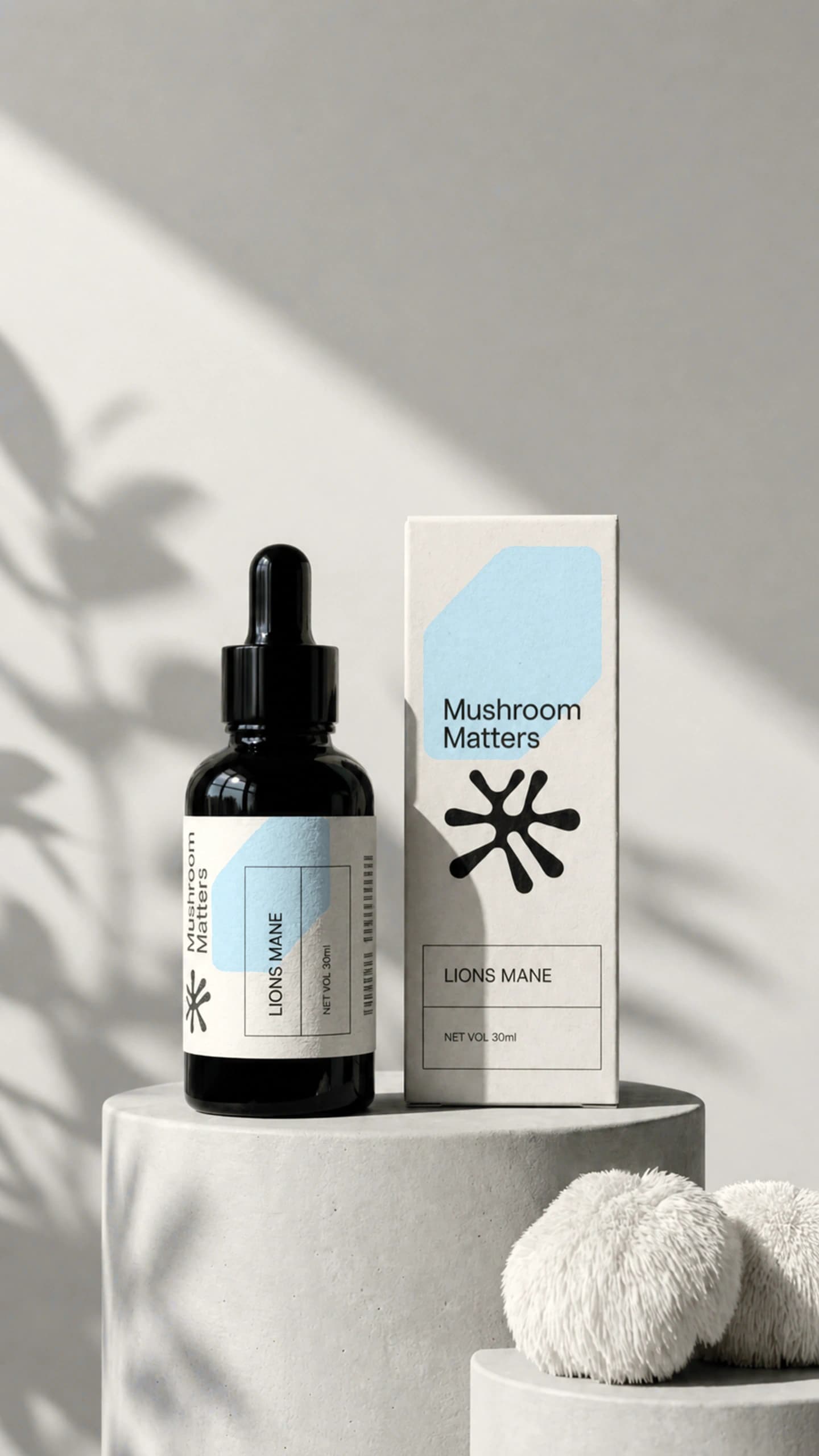
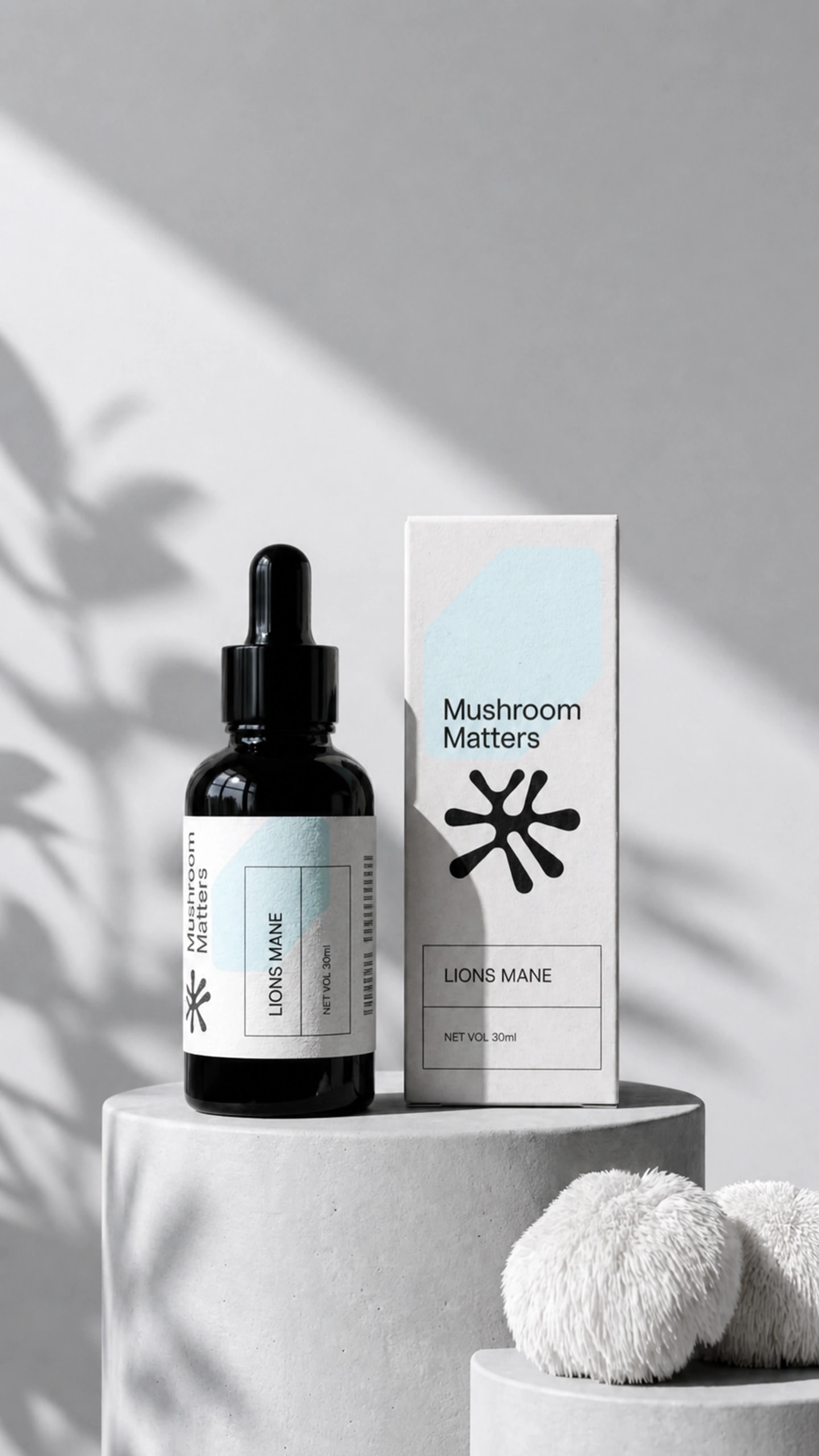
Our Lion’s Mane extract is made from mycelium cultivated without a grain substrate. We grow the culture, carry out dual extraction and bottle the finished liquid in Yerevan. The product comes in a 30 ml dropper bottle. This describes our production choice; it does not establish that every mycelium extract is equivalent to ours or superior to every fruiting-body product. The product and production pages explain the actual offer.
What to ask before buying
Ask for the species name, the fungal material used, the full composition, the serving instructions and the manufacturer’s details. Check whether a study cited by the seller tested the same preparation. For a purchase in Armenia, also confirm the current price, availability and delivery terms. If you cannot compare the compositions, compare the transparency of the information first: an unanswered question is not a reason to assume a stronger product.
Կարդալ հաջորդը
Աղբյուրներ
Մեկնաբանություններ
Մեկնաբանություն թողեք կամ հարց տվեք։