Lion’s Mane: benefits, research and how to take it
What human studies say about Lion’s Mane, memory and focus, where the evidence is limited, and how to read the instructions for a liquid mushroom extract.
Contents
- Two families of compounds, one that reaches the brain
- What NGF actually does
- What do human studies show about memory?
- Where the honesty line sits
- What people actually report
- Study duration is not a promised time to effect
- Why we dual-extract it
- How to take and store Lion’s Mane extract
- For the long stretches of thinking
Lion’s Mane is the common name for Hericium erinaceus. People often ask about its benefits for memory and focus, how to take an extract, and how mycelium differs from the fruiting body. This guide separates the small human studies from work on cells and animals, then explains the preparation and instructions for our liquid extract.
Two families of compounds, one that reaches the brain
The active molecules split into two groups by where they come from. Hericenones are made in the fruiting body, the part you'd recognise as a mushroom. Erinacines come from the mycelium, the thread-like network the fungus grows before it fruits. Both have been reported to nudge the body toward making more nerve growth factor (NGF), a protein that helps neurons grow, stay healthy, and repair.
Erinacine A is the one that gets the headlines, and there's a mechanical reason for it. It's a small cyathane diterpenoid, and unlike many of the mushroom's larger constituents it has been reported to cross the blood-brain barrier. A compound that stimulates NGF is only useful if it can get to the tissue where NGF matters. That combination of real activity plus the ability to reach the brain is why erinacine A shows up first in almost every serious discussion of this mushroom.
What NGF actually does
Nerve growth factor is a neurotrophin: a signalling protein that keeps certain neurons alive and prompts them to extend and branch. The research on Hericium tends to frame its neuroprotective effect around this kind of neurotrophic signalling, including the NGF and BDNF pathways and the TrkA/Erk cascade they feed into, alongside a general antioxidant action. Erinacines A, B and C are all described in the literature as strong stimulators of NGF synthesis. Erinacine A in particular has been reported to raise NGF in the locus coeruleus and hippocampus of rats in vivo, two regions tied to attention and memory.
What do human studies show about memory?
Two clinical trials come up again and again, and both are worth knowing in their actual shape rather than as a slogan. A small 2009 double-blind, placebo-controlled trial by Mori and colleagues (published in Phytotherapy Research) took 30 Japanese adults aged roughly 50 to 80 with mild cognitive impairment and split them 15 and 15. The treatment group took four 250 mg tablets of about 96% Yamabushitake dry powder, three times a day, for 16 weeks. On a cognitive scale based on the Revised Hasegawa Dementia Scale, their scores rose significantly against placebo at weeks 8, 12 and 16.
The part that rarely makes it into the marketing is the follow-up. When supplementation stopped, the improvement faded over the next four weeks. That tells you something practical: whatever the mushroom was doing depended on continued use, and it wasn't a permanent rewiring. Read as a caution, that's useful. It fits a compound that supports an ongoing process rather than one that fixes something once.
The second trial ran longer and used the mycelium route. In an erinacine A-enriched mycelia pilot, 41 people completed a 49-week randomised double-blind placebo-controlled study, 20 on treatment and 21 on placebo, taking three 350 mg capsules a day standardised to 5 mg of erinacine A per gram. The treatment group's Mini-Mental State Examination score rose (roughly 21.75 to 23.2; p=0.035), while the placebo group declined on a separate cognitive screening instrument. The placebo group also showed drops in BDNF along with albumin, calcium and haemoglobin, whereas the treatment group's biomarkers held steadier, and neuroimaging suggested better-organised structure in the parahippocampal cingulum region.
Where the honesty line sits
These are small trials. Two studies, a few dozen people each, in specific clinical groups. They're enough to make the mechanism plausible and the interest reasonable. They're not enough to promise anything, and the reference literature is blunt about it: the medicinal effectiveness, supplement safety and even the precise active compounds of this mushroom remain clinically unproven. We'd rather say that plainly than dress it up. This is a functional food, not a medicine, and it doesn't replace advice from a doctor.
What people actually report
Set against the lab data, the everyday feedback is quieter and more consistent. People describe steadier focus and a bit more mental clarity, a calm sort of sharpness without the edge that caffeine or stimulants bring. There's no rush and no comedown, which is why it appeals to people doing long stretches of intellectual work rather than anyone chasing a hit. Alongside the cognitive angle, Hericium is also used for nervous-system recovery and general immune support.
Study duration is not a promised time to effect
Clinical studies use specific preparations, doses and observation periods. Their duration is not a promise of when our extract will produce a noticeable effect. We cannot guarantee a particular result or timeframe, and buying another bottle does not establish that a result will follow.
Why we dual-extract it
The bioactives in Hericium don't all dissolve in the same thing. The beta-glucans, tied to the immune side, are water-soluble; a good part of the terpene fraction is fat-soluble and needs alcohol. Our extract is dual-extracted — water and ethanol, so both fractions end up in the same bottle instead of one being left behind in the mushroom. A water-only tea or an alcohol-only extract each capture half the picture.
How to take and store Lion’s Mane extract
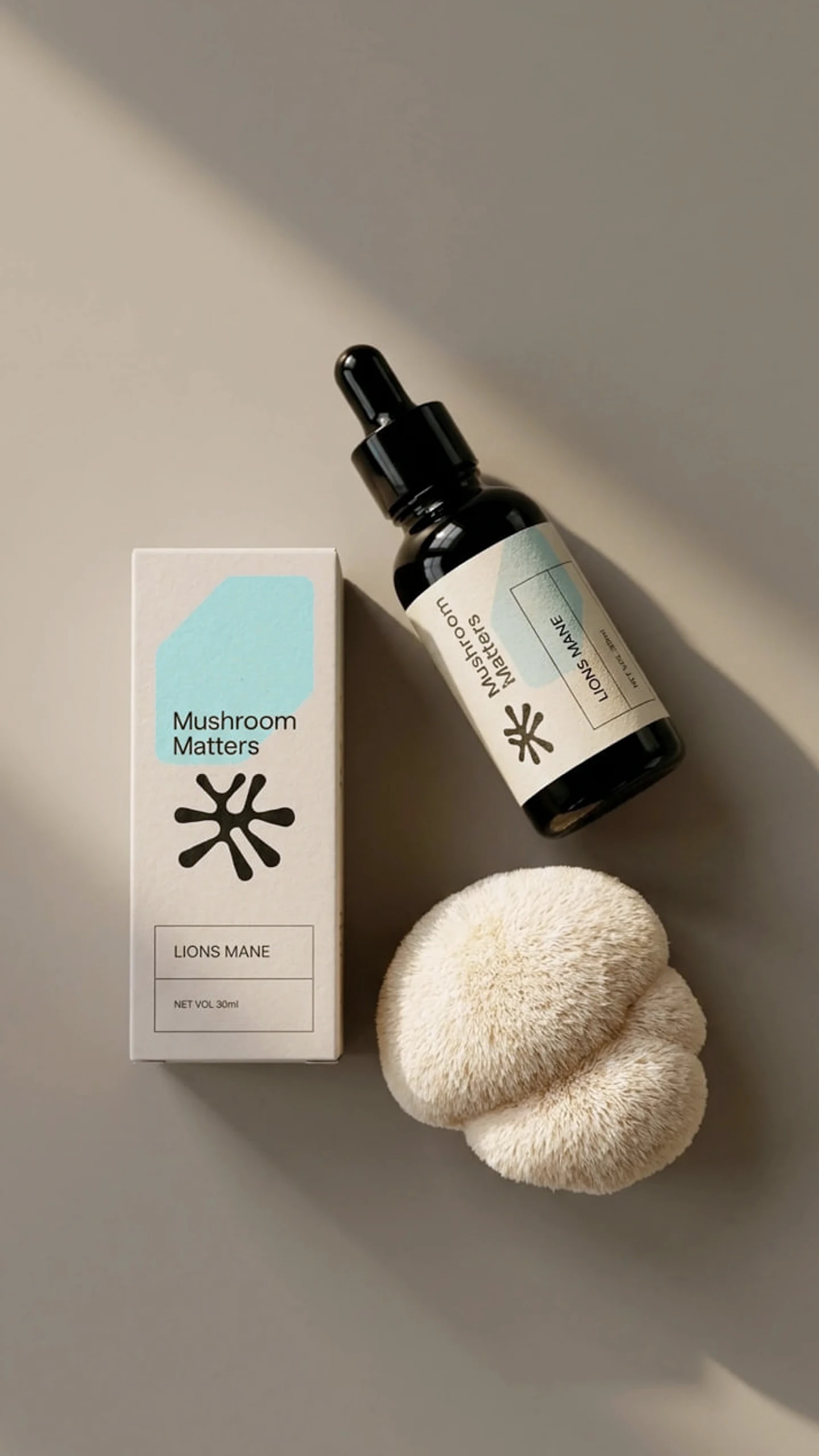
The everyday dose is 1 to 2 ml once a day; one dropper holds roughly 0.5 ml, so that's two to four droppers. Take it whenever suits your routine. It isn't a stimulant, so there's no wrong time of day; just pick a fixed moment so you actually remember it daily. Keep the bottle sealed and store it anywhere from +5 to +25°C, out of direct sun.
For the long stretches of thinking
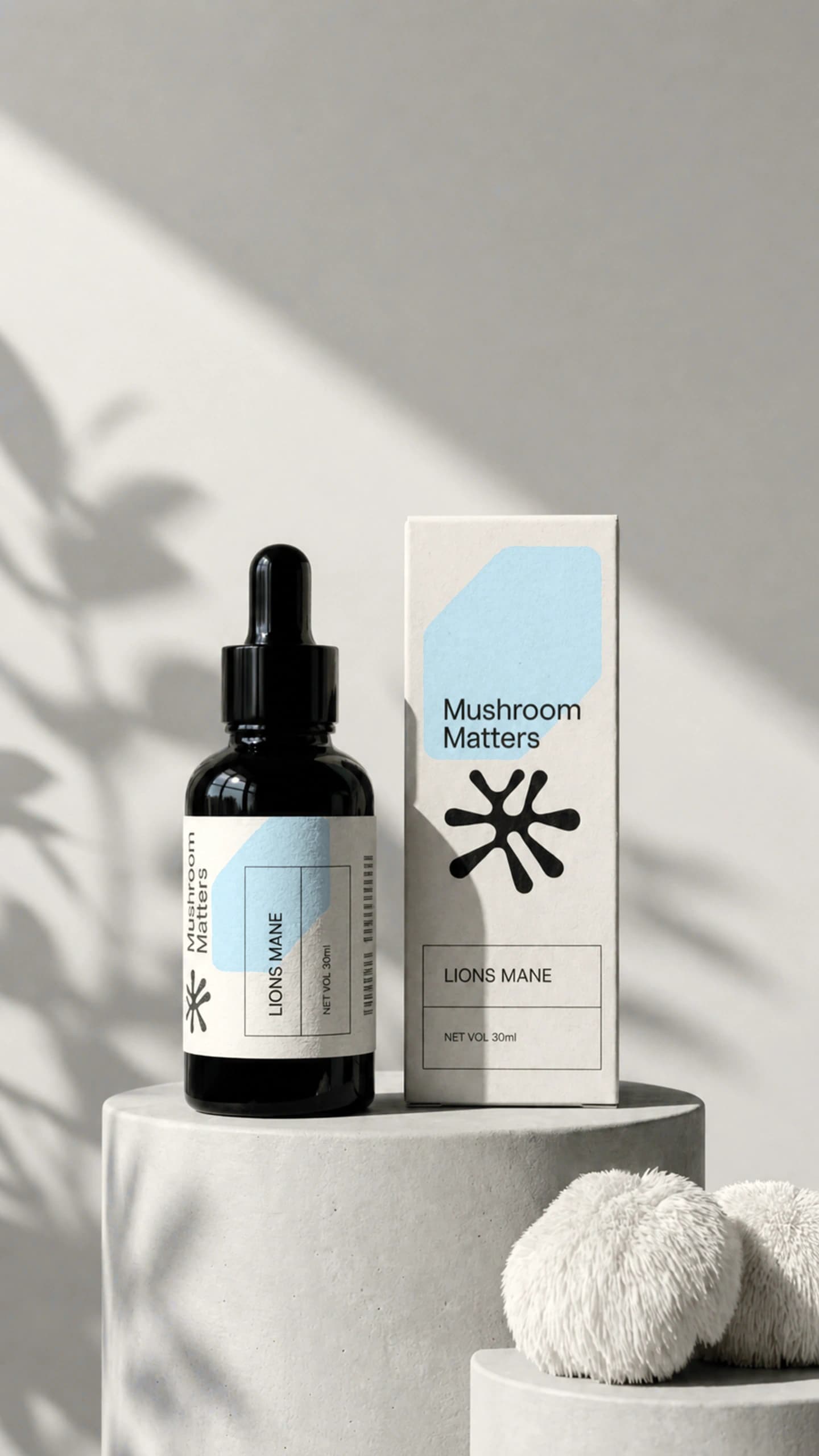
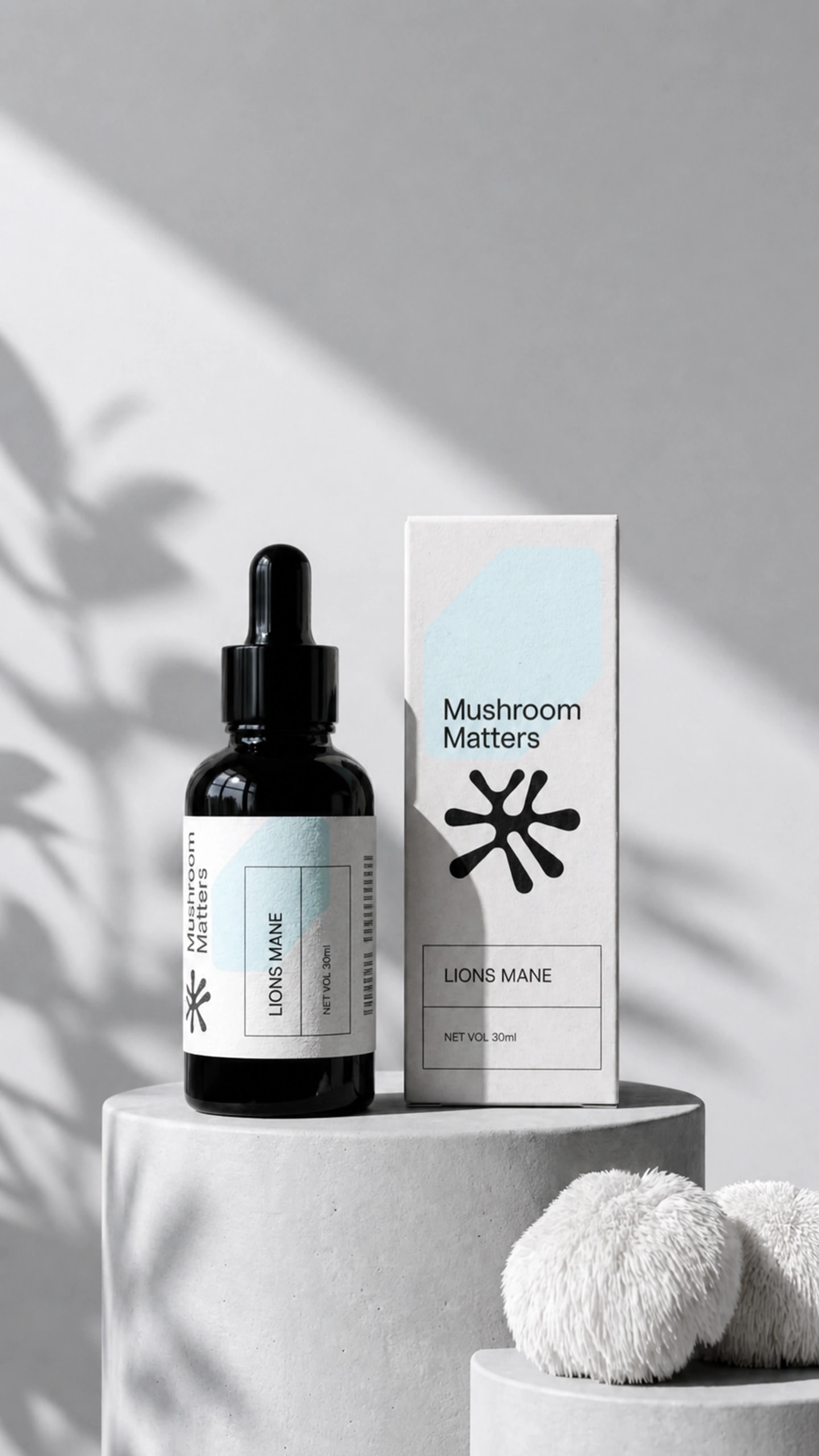
We grow Lion’s Mane mycelium and carry out both stages of extraction in Yerevan. The finished product comes in a 30 ml bottle with a dropper. The product page lists the raw material, ingredients, directions and delivery terms so you can review them before ordering.
Read next
Sources
From the shop
Comments
Leave a comment or ask a question.