Dual extraction: what it is and how to tell a real one
Dual extraction means hot water and alcohol on the same mushroom material: water pulls beta-glucans, alcohol pulls triterpenes. How to spot a real one.
Dual extraction means the same batch of mushroom material goes through two extractions — hot water and alcohol — and the two liquids are combined into one finished extract. The reason is chemistry, not marketing. The compounds people look for in functional mushrooms fall into two groups that dissolve differently: beta-glucans and most other polysaccharides come out in water, while triterpenes such as the ganoderic acids of reishi and diterpenes such as the erinacines of lion’s mane need alcohol. Extract with only one solvent and part of the chemistry stays behind in the spent mushroom. Below we explain which compounds sit on which side, how we run both stages in Yerevan, and the questions that separate a real dual extract from a label that merely uses the words.
Why one solvent only gets half the chemistry
Mushroom cell walls are built from chitin bound together with beta-glucans, and that structure is tough enough that simply eating a dried mushroom releases little of it. Beta-glucans are long-chain sugars with β-(1→3) and β-(1→6) linkages, and they are water-soluble — but they need help getting out. Reviews of Ganoderma chemistry describe prolonged hot-water processing as the established way to release the pharmaceutically interesting polysaccharide fraction. A hot-water decoction or a hot-water extract is therefore the water half of the story, and for many traditionally used mushrooms it is the half that traditions were actually built on.
Triterpenes sit on the other side of the solubility line. Reishi’s ganoderic acids are lanostane-type triterpenoids: large, mostly non-polar molecules that dissolve poorly in water and are conventionally drawn out with ethanol. The same reviews that put the polysaccharides in the water fraction place the triterpenoids in the alcohol one. So a water-only reishi tea, however carefully brewed, largely leaves the triterpene fraction in the woody bracket you throw away. Whether that fraction matters to you is a separate question — but you can only ask it about a product that actually contains it.
Lion’s mane makes the same point with a different family of molecules. Its erinacines are small cyathane diterpenoids produced in the mycelium, and the literature that isolates and characterises them works with organic solvents such as ethanol, not water. A 2015 review of Hericium erinaceus chemistry surveys dozens of these compounds alongside the water-soluble polysaccharides — two halves that a single solvent does not capture at once. It is worth adding the usual honesty note: most of the research behind these compounds is cell and animal work, and solubility chemistry says nothing by itself about what a finished product will do for you.
What a real dual extract contains
A genuine dual extract carries both fractions in one bottle: the water phase contributed the beta-glucans, the alcohol phase contributed the triterpene and diterpene side, and the two were combined after filtration. One detail surprises people: the alcohol can be a processing aid rather than an ingredient. A producer can use it to pull the fat-soluble fraction and then remove it before bottling, so the finished liquid is water-based even though alcohol did part of the work. “Dual extraction” on the label describes what happened during production; the ingredient list describes what is in the bottle now. Those are different questions, and a transparent producer answers both.
How we run it in Yerevan
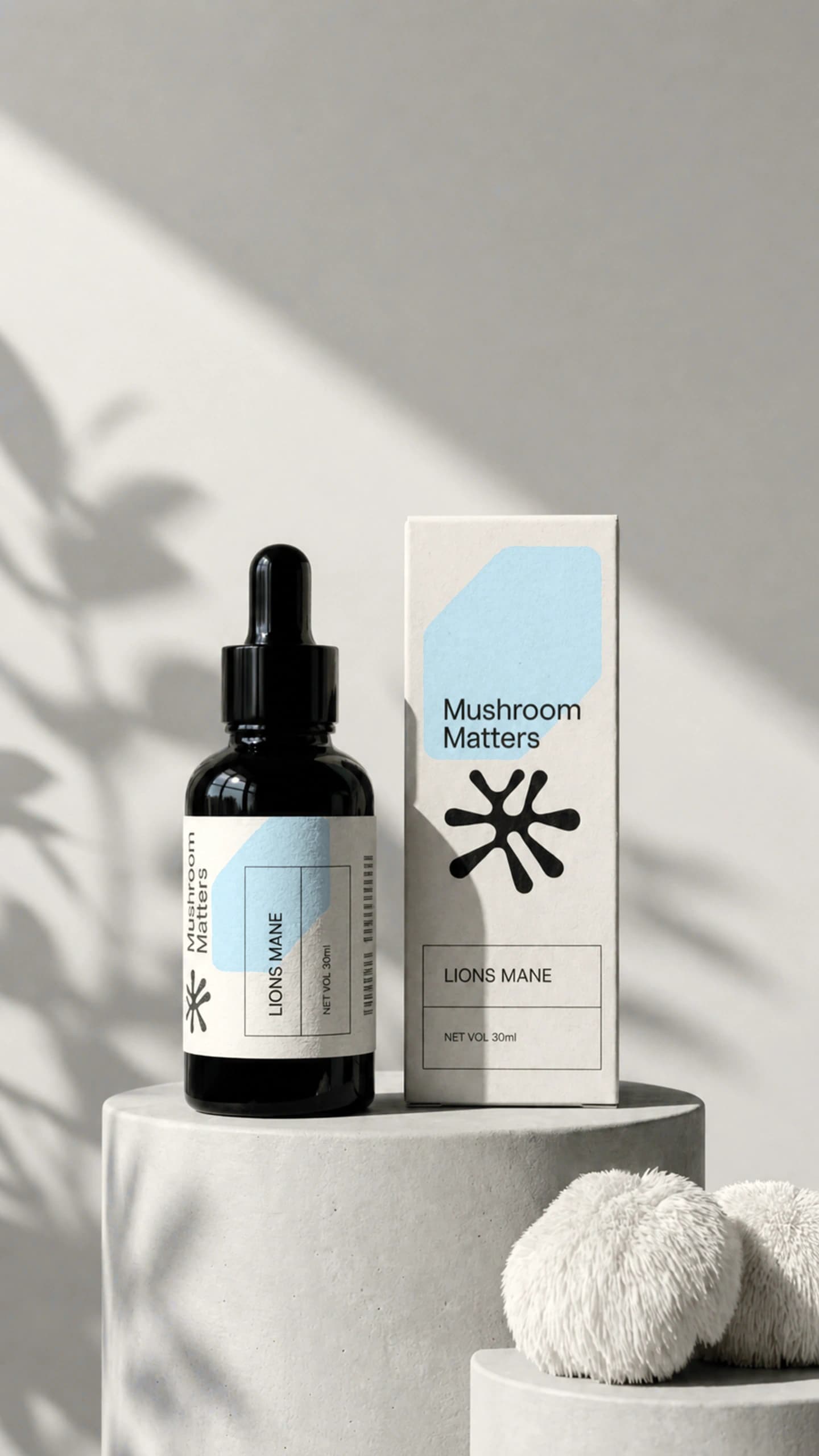
For our lion’s mane extract we grow the mycelium ourselves, without a grain substrate, and run both stages here in Yerevan. First a hot-water extraction pulls the water-soluble fraction; then an alcohol extraction pulls the fat-soluble one. We filter out the solid residue, combine the liquids, and remove the alcohol before bottling. No mushroom powder is added to the finished extract — what you pour is what the two solvents carried out of the raw material. The finished product is a 30 ml dropper bottle, and the label directions are 1–2 ml once a day.
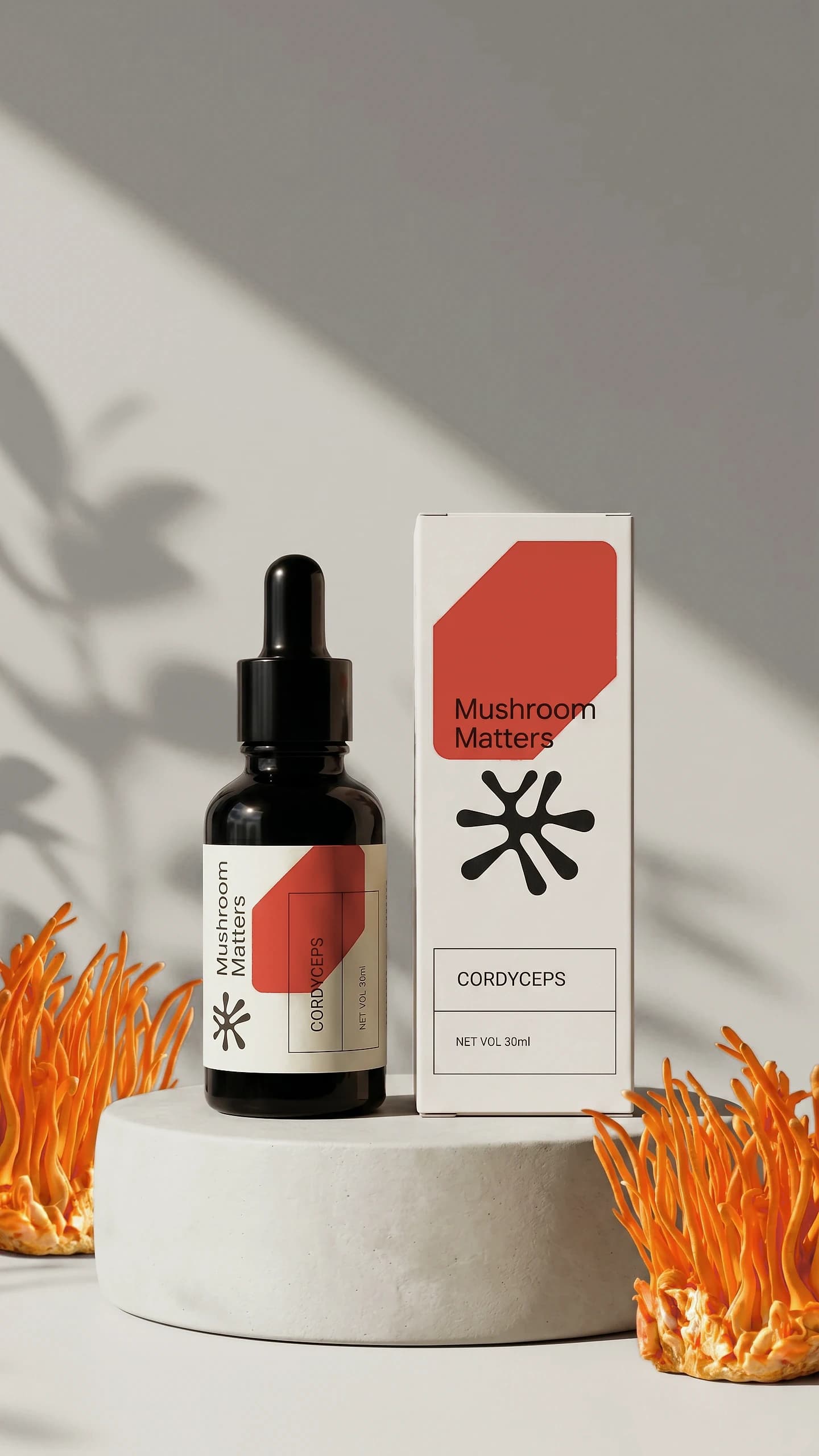
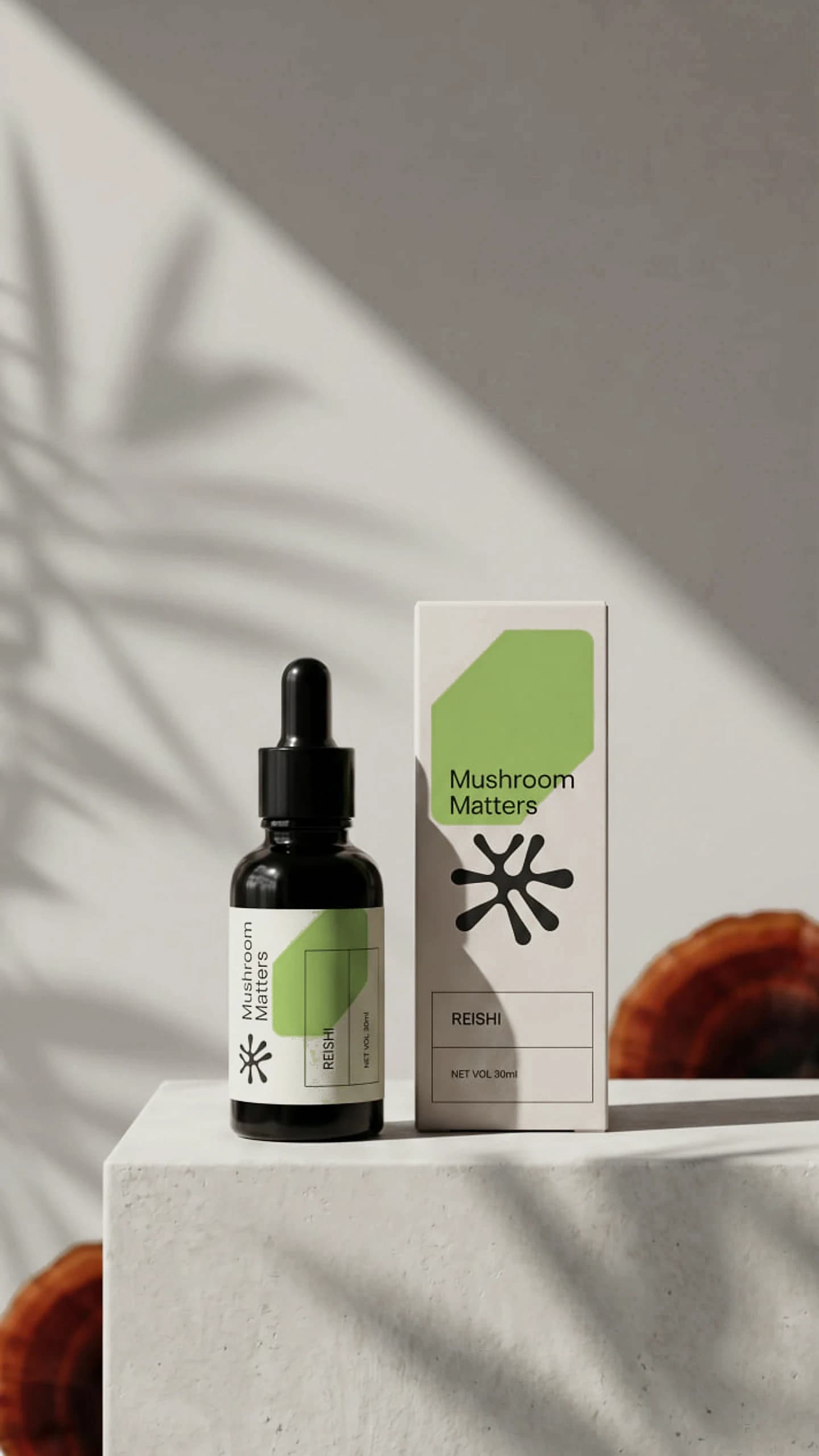
The same two-stage process stands behind our reishi and cordyceps extracts, and the production chain from cultivation to bottling stays in-house. The products carry an EAEU certificate of conformity (№ RU Д-AM.РА02.В.39933/25). We describe the method plainly because the method is the claim: we would rather you evaluate the process than trust an adjective.
Four questions to ask the manufacturer
First: the species and the raw material. Lion’s mane from grain-free mycelium and lion’s mane from dried colonised grain are different materials, and “fruiting body” versus “mycelium” tells you which part of the fungus was used. Second: the method — which solvents were actually used, water only, alcohol only, or both. Third: the composition — is there a measured beta-glucan figure, not just a “polysaccharides” percentage. Fourth: what is in the finished product — did the alcohol stay in, is there added powder or filler, and how is a serving measured. A producer who answers all four plainly has done the work; evasive answers are information too.
Treat extraction ratios with the same scepticism. A “10:1” on a label needs an explanation of what the two numbers refer to and how they were measured — it describes how much raw material went in per unit of extract, not a promise of tenfold effect. Without the measurement behind it, the ratio is decoration.
Red flags on the label
The classic one is “polysaccharides 30%” with no beta-glucan figure. Starch is also a polysaccharide, and a product made by drying mycelium together with the grain it grew on can show a high polysaccharide number that owes much of itself to grain starch. This is exactly the confusion analytical chemistry was built to resolve: a method published in the Journal of AOAC International measures mushroom beta-glucan separately from starch-like alpha-glucans, precisely because the two get conflated when a label says only “polysaccharides”. If the number cannot be split, treat it as unknown rather than impressive.
Other flags: “dual extracted” on the front while the ingredient list shows mushroom powder (a powder is milled raw material, not something two solvents produced); mycelium products that do not say what the mycelium grew on; no manufacturer details at all; and any health promise stronger than the evidence allows. A supplement label that claims to treat or cure a condition is telling you something — about the seller, not the mushroom.
Liquid extract
Extraction has already happened, so the question shifts to which solvents were used and what remains in the bottle. Dosing is by dropper, which makes a serving easy to measure and easy to adjust within the label directions. Check whether the alcohol used in production is still present or was removed, and whether anything was added after extraction.
Powder
A powder can be milled dried mushroom — no extraction at all, chitin intact — or a dried extract. The word alone does not tell you which, and the difference is the whole point of this article. If the seller cannot say whether extraction happened and with what, you are comparing a dried mushroom against extracted products as if they were the same thing.
Capsules
A capsule is a shell; inside can be either kind of powder. Read the contents, the amount per serving and how many capsules make one serving. None of these three formats is proven to absorb better than the others in general — such a claim would need data on the specific preparation, so judge the composition and the process first and the convenience second.
The honest bottom line
Dual extraction is a process description, not a potency guarantee. It tells you the producer ran both solvents, which is a real and checkable claim — but it sits alongside the raw material, the composition figures and the producer’s transparency, not above them. The good news is that all of these are questions with factual answers, and a serious producer will answer them. And the usual boundary applies: these are functional foods, not medicines, and if you are pregnant, taking medication or managing a condition, the conversation belongs with your doctor first.
We make liquid dual extracts of lion’s mane, reishi and cordyceps in Yerevan, bottle them in 30 ml dropper bottles and deliver free of charge. The catalogue shows current prices and availability, and each product page lists the raw material, composition and directions so you can run the four questions on us before ordering.
Read next
Sources
- Boh et al., 2007 · Ganoderma lucidum and its pharmaceutically active compounds (Biotechnology Annual Review)
- Wachtel-Galor et al., 2011 · Ganoderma lucidum (Lingzhi or Reishi): A Medicinal Mushroom (NCBI Bookshelf)
- Friedman, 2015 · Chemistry and bioactive compounds of Hericium erinaceus (J. Agric. Food Chem.)
- McCleary & Draga, 2016 · Measurement of β-glucan in mushrooms and mycelial products (J. AOAC Int.)
- NIH: a consumer guide to supplement labels and use
From the shop
Comments
Leave a comment or ask a question.