Liquid Mycelium: Growing Fungi From a Living Culture, Not a Spore Print
A spore syringe is dormant; liquid culture is a fungus already awake. How to mix the broth, sterilise the jar, and tell fluffy strands from bacterial haze.
Mushroom Matters
@mushroomatters
 Watch on Instagram
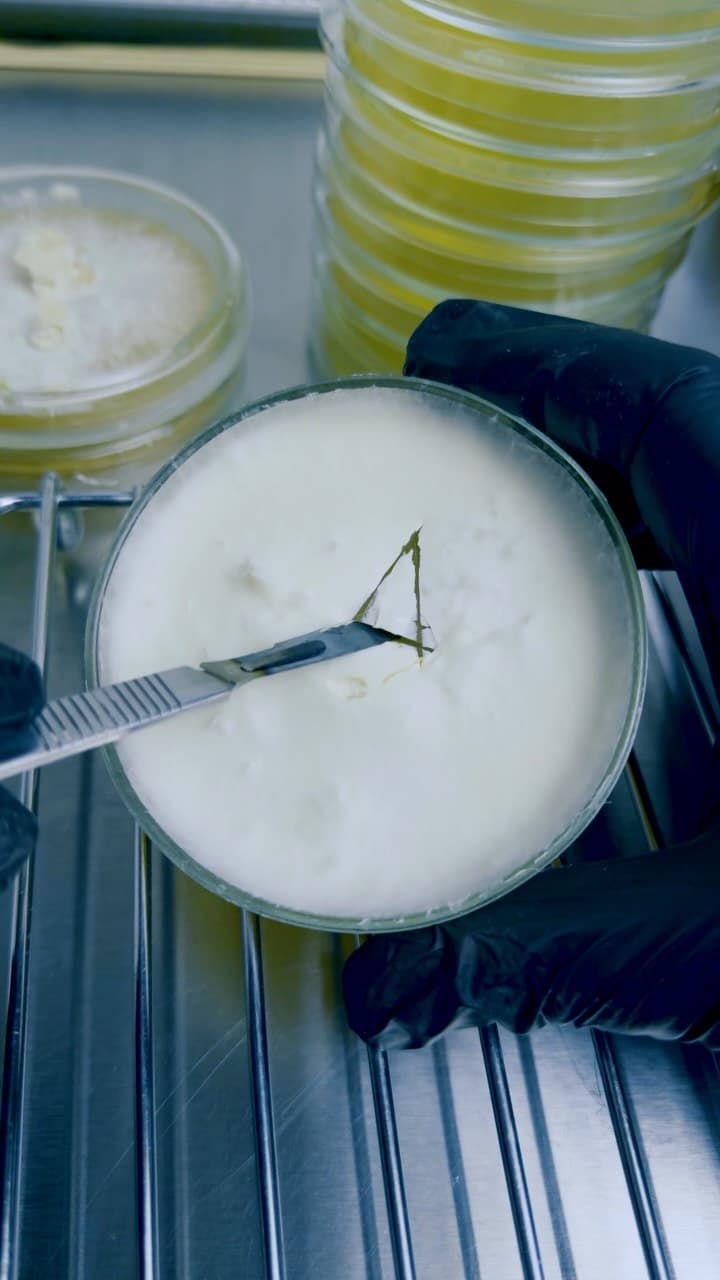
Mycelium in a liquid medium
Water, nutrients and growing mycelium. In this reel, we explain what a liquid culture is and how it fits into mushroom cultivation.
Original caption
Жидкая культура (ЖК) — это стерильная питательная среда, в которой живет и развивается мицелий гриба. По сути, это вода с правильным балансом углеводов, где грибница (например, ежовика или кордицепса) чувствует себя идеально и активно размножается. Зачем она нужна? Она позволяет перенести чистую генетику на субстрат. В жидкости образуются тысячи точек роста, и при посеве мицелий захватывает объем быстро, равномерно и без конкуренции с плесенью.
A spore syringe hands you a promise: dormant cells that might germinate, find each other, and start growing, given a few days and some luck. A liquid culture hands you the organism already awake. Inside the cloudy broth are living hyphal fragments, sometimes a few spores, suspended in a thin sugar solution. Inject a few millilitres into pasteurized grain and colonization does not have to begin from zero. You are transplanting a fungus that is already dividing, and it shows in the timeline.
What is actually in the jar
Mycelium is the vegetative body of the fungus: a mass of branching, thread-like hyphae. Those threads are thin, roughly 1.5 to 10 micrometres across, and they lengthen only at their tips, pushing forward like slow roots. A liquid culture is that living mesh broken into fragments and kept swimming in nutrient broth, so each fragment can start a new colony wherever it lands.
Hyphae feed in a way worth understanding, because it explains the whole recipe. They secrete enzymes outward, break down organic molecules in their surroundings, then take up the smaller pieces through the cell wall by facilitated diffusion and active transport. A sugar broth skips the hard part: the food is already small and soluble, ready to be absorbed. That is why a light sugar solution grows mycelium quickly.
The broth: about four percent, no more
The standard broth is dilute on purpose. Light honey or malt extract at roughly 4% by weight, about 4 grams of sugar per 100 ml of water. Cultivation guides usually put the acceptable range at 3 to 5%; a common target is 16 g of sugar in 400 ml. The reasoning is a balance: enough sugar to feed the mycelium, not so much that any stray bacterium finds a feast. A rich broth does not grow your fungus faster. It grows whatever contaminant got in first.
Building the jar
Dissolve the sugar to about 4%, pour it into a jar, and fit the lid with two things: a self-healing injection port and a filter for gas exchange. The port is a soft silicone plug that a needle can pass through again and again, resealing each time, so you can inoculate now and draw doses later without ever opening the jar to the air. The filter lets the mycelium breathe while keeping spores and dust out. These come standard on commercial AirPort-style lids, and they are easy to add to a plain jar.
Then pressure-cook the whole jar at 15 psi for 30 to 40 minutes. This sterilizes the broth and the port together. The single most common way to kill a culture at this stage is impatience: inoculating while the broth is still warm. Hot broth cooks the very organism you are trying to introduce. Let it cool fully to room temperature first, however long that takes.
Inoculating and stirring
Work near a still-air box or a flow hood. Wipe the port with 70% isopropyl, then introduce a clean piece of living culture through it: a wedge of colonized agar, a fragment of clean tissue, or a few millilitres drawn from another liquid culture. Hold the jar at 21 to 24 degrees. Set it on a magnetic stir plate at low speed, or give it a firm shake once a day. The movement breaks the growing mesh into fresh fragments and keeps them fed, so growth spreads through the whole volume instead of settling into one lump.
Over the next days the broth clouds and fills with fluffy white strands. That soft, wispy cloud is the inoculum you were after. It should look like snow suspended in water, distinct pieces you can see individually, not a uniform haze.
Why it beats spores on time
A spore syringe is dormant. The spores have to germinate, and the young hyphae have to grow until they meet and fuse before real colonization begins. Those first days are lag, and lag is a contamination window: a rich, warm substrate sitting exposed while nothing visible is defending it. A liquid culture starts past that stage. There is no germination to wait through, growth begins almost at once, and colonization finishes sooner.
The numbers make the gap concrete. In liquid or agar work, first visible growth often shows within about 2 to 7 days, with the broth fully colonized inside roughly three weeks. Spore-started cultures may take 5 to 15 days just to show growth, then another 7 to 21 days to colonize. On grain spawn, a healthy jar seeded from live culture typically runs about 14 to 21 days at around 24 to 27 degrees.
The economy of one good jar
A liquid culture multiplies. Draw a few millilitres from one healthy jar and you can start several more jars, or inoculate many grain bags at once. This is the term worth knowing: seeding sterilized grain such as rye or millet with live mycelium is called inoculation, and the colonized grain that results is spawn. One jar becomes your working stock, and from it you run a whole cycle without buying a new culture each time.
Sterility is not optional
The same qualities that make the broth good for your fungus make it good for everything else. Nutrient-rich and warm is an open invitation to bacteria, mould, and wild fungi, which is exactly what inoculation has to keep out. Flame or alcohol your tools before they touch anything. Wipe the port with 70% isopropyl before every single needle pass, not just the first. Never open the jar in still open air. Laboratory work with cultures is done under a laminar flow cabinet for this reason, and a still-air box is the home version of the same idea.
Reading contamination
Learn the signs before you need them. A sour or yeasty smell is a warning. So is broth that clouds evenly into a flat haze rather than showing distinct fluffy strands, since bacteria spread as a uniform turbidity while healthy mycelium keeps its shape. An oily film on the surface is another. None of these are worth arguing with. When a jar smells wrong or looks wrong, throw it out; a contaminated culture is not something you rescue, and spreading it to grain only wastes more work.
Using the syringe
When you draw, aim to pull the cloudy liquid with the visible fragments in it, not the clear layer on top; the fragments are the living part. A workable ratio is a few millilitres per pint of grain, about half a litre. Inject at several spots rather than one, then shake the jar to spread the inoculum through the grain. White growth usually appears within a few days, and full colonization follows in one to two weeks, sooner for fast species and warmer holds, later for slow ones.
A live culture, and where ours goes
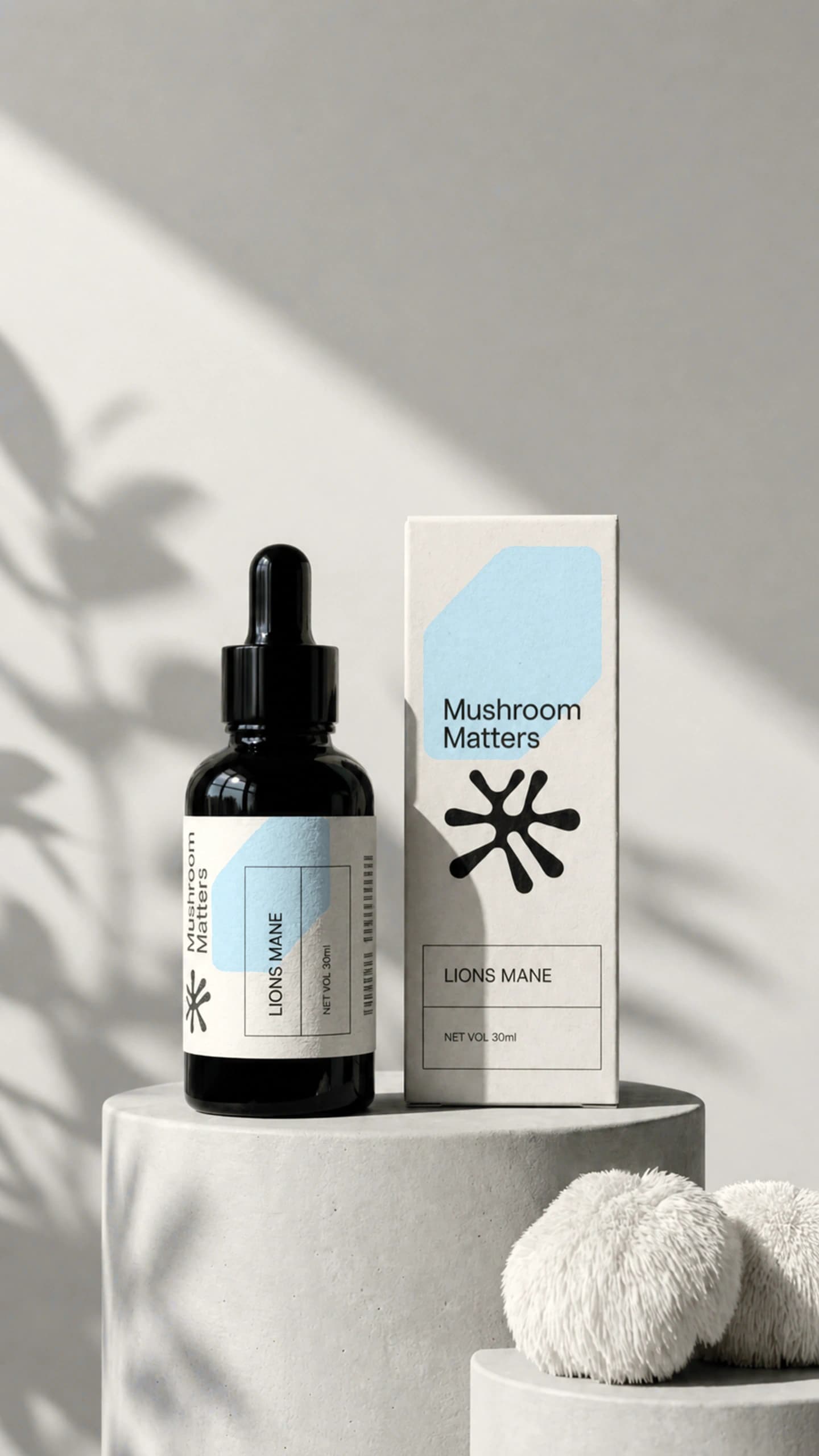
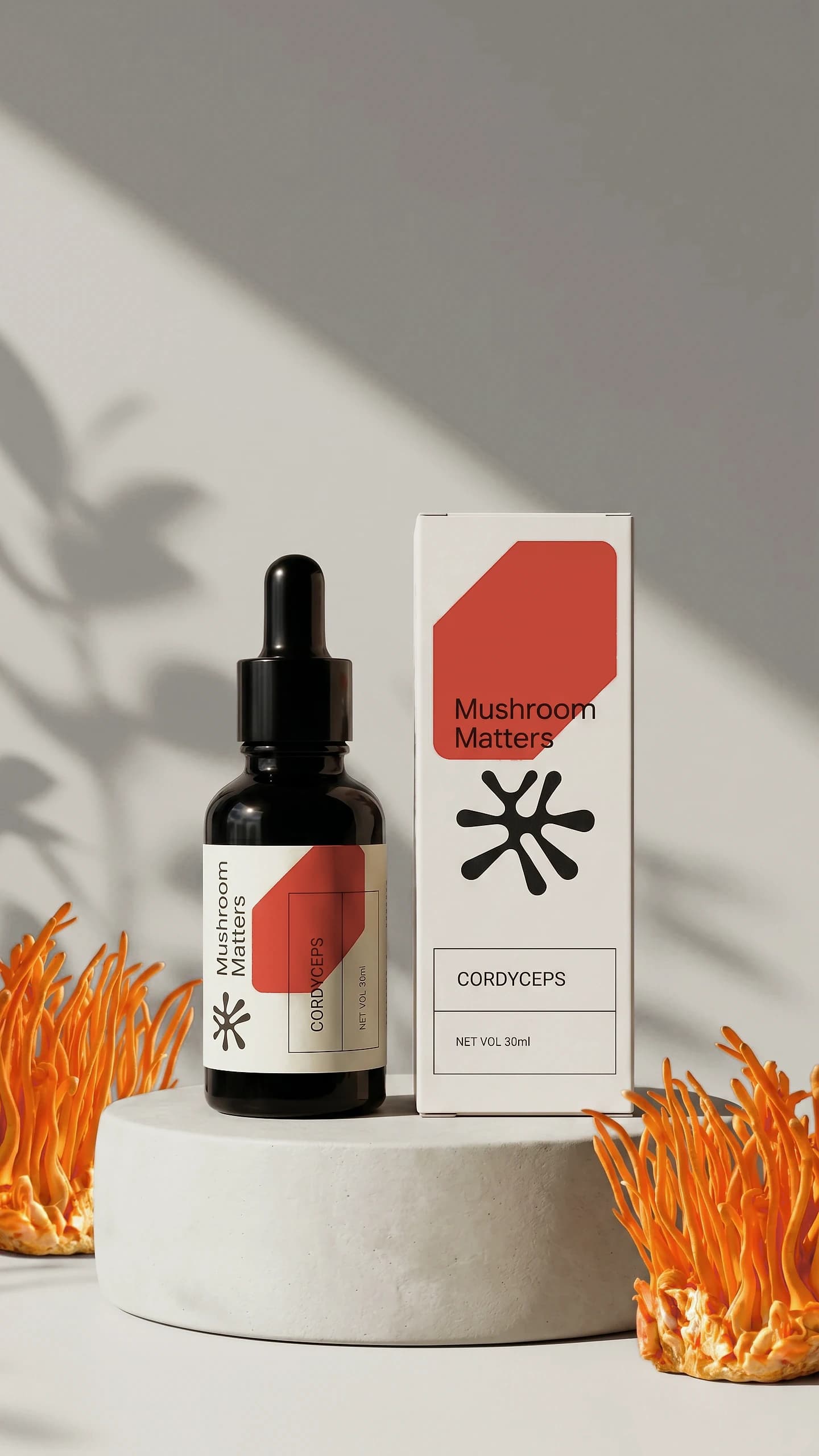
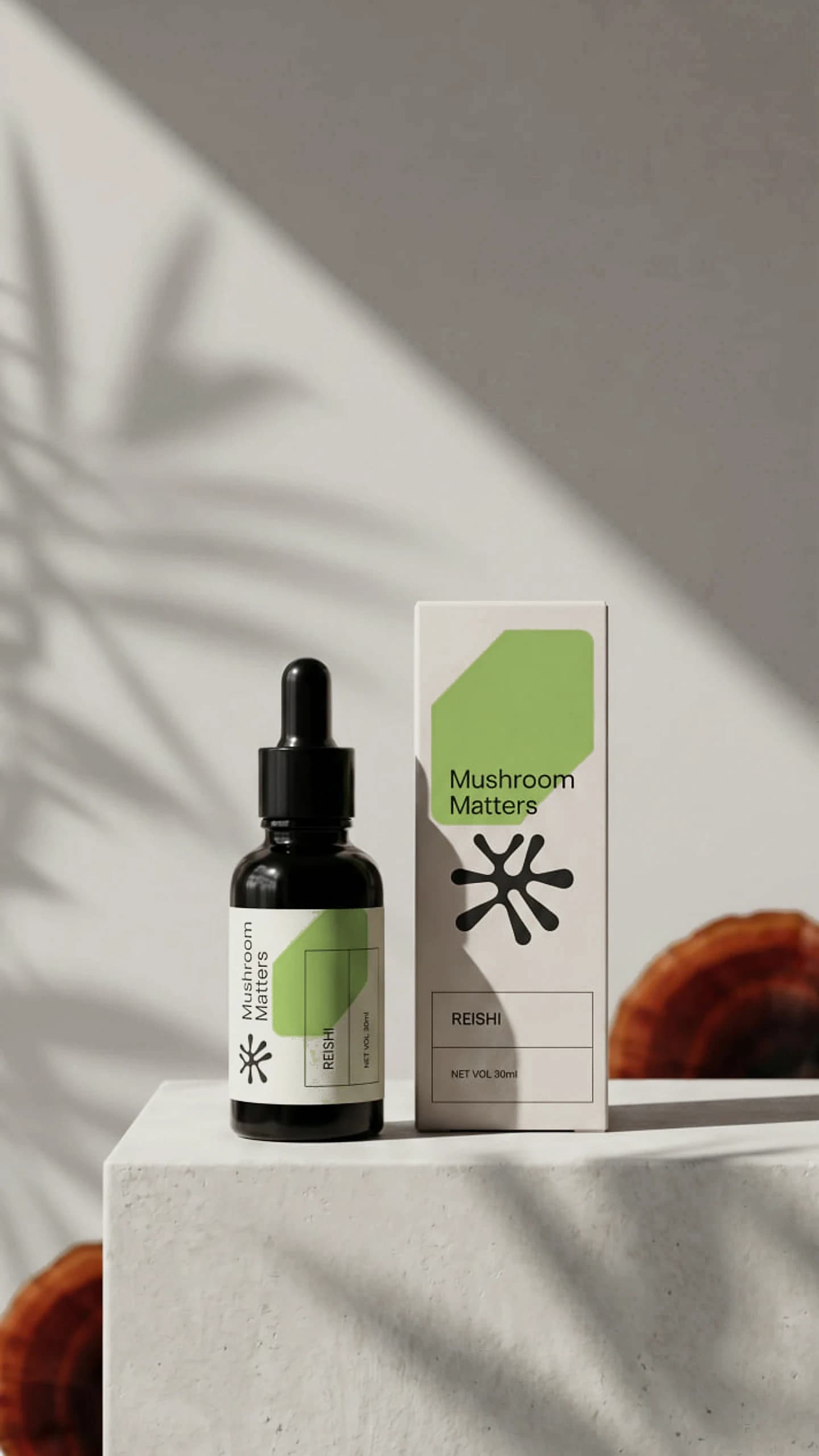
The whole advantage comes down to one thing: you are not waking a fungus up, you are moving one that never went to sleep. That head start is why a jar of liquid culture colonizes faster than a spore print and stretches so far, one healthy suspension seeding a full run of grain. We keep our own cultures under the same discipline, and the Lion's Mane, Reishi, and Cordyceps we grow from them end up as finished extracts on our shelves in Yerevan, with delivery anywhere in Armenia.
Read next
Sources
From the shop
Comments
Leave a comment or ask a question.