Growing Oyster Mushrooms at Home: Cheap, Fast, and Worth the Shelf Space
One block the size of a loaf, straw or spent coffee grounds for food, a first harvest near day 25: how oyster mushrooms earn their place on a kitchen shelf.
A block of colonized substrate the size of a loaf of bread, sitting on a kitchen shelf, can hand you two or three harvests of oyster mushrooms over a few weeks. No plot of land, no greenhouse, no season to wait out. The starting cost is small enough that a first grow feels less like farming and more like keeping a slow, edible pet. What follows is the part that decides whether that pet thrives or turns green: what the mushroom eats, how you keep rivals out, and the handful of numbers that matter once it starts to fruit.
Why the barrier to entry is so low
Vegetables demand soil, sun, and space. Oyster mushrooms demand none of the three. They are white-rot saprotrophs: fungi that break down wood and lignocellulose, so their food is agricultural leftovers rather than fertile ground. Straw, sawdust, corn stalks, spent coffee grounds, most plant waste with cellulose and lignin in it will do, and much of it is free for the asking.
A first grow needs three things: a bag of substrate, a handful of grain spawn, and a plastic container. That is the whole kit. The same low bar is why the hobby scales cleanly into a business without switching methods, a point worth holding onto for later.
The cycle runs in weeks
Oysters are the beginner's crop because the timeline is short and forgiving. At 20–24 °C the mycelium runs through the substrate in about 10–14 days, turning it white and knitting it into a solid block. Then you change the weather on it: cooler air at 15–18 °C, some light, a daily draught of fresh air. That shift triggers pinning, the first tiny primordia, and mature clusters follow 5–7 days after that.
Count from inoculation to the first harvest and you land near three weeks. A garden bed gives you one yield a year; a single block usually gives two or three flushes before it is spent. Reference growing guides put the first mushrooms at roughly 25 days after inoculation, which is the same window seen from a different angle.
Cleanliness, not sterility
Contamination control is the one factor that decides the outcome, and it does not require a lab. Your goal is to give the mushroom a head start over everything else that wants the same free meal. For oysters the classic move is pasteurization, not sterilization: soak the straw in 65–75 °C water for about an hour. That heat knocks back competing moulds while keeping the substrate hospitable to the fungus you actually want.
The rest is discipline. Clean hands, wiped surfaces, bags sealed well. Keep the spawn generous, 5–10% by weight, so the fungus outnumbers its rivals from the first day. When something does go wrong, the usual signature is a spreading green: Trichoderma mould. Cool, clean, heavily inoculated substrate is the defence, and no clever trick substitutes for those basics.
After colonization, the air does the work
Once the block is white and knit together, growing stops being about biology and starts being about the room. Two things carry it. First, humidity around 85–95%: mist the air, not the mushrooms, a few times a day, since water sitting on the caps invites rot rather than growth. Second, fresh air. Mushrooms breathe out CO₂, and trapped CO₂ produces the telltale deformed fruit, long spindly stems with tiny caps. A daily air change fixes it.
Light plays a smaller role than most people expect. A few hours of indirect light a day is enough. It works as a cue for orientation, telling the cluster which way is up, not as an energy source the way it would for a plant. Get humidity and air exchange right and the block does most of the rest on its own.
The economics that turn it into a business
Here is where the numbers get interesting. A block costing a couple of dollars in substrate and spawn can return several hundred grams of oysters, and fresh oysters sell at a premium to restaurants and markets that want them the day they were cut. The margin lives in that gap between near-free input and same-day fresh output.
Scaling does not mean relearning anything. The method is identical; you add blocks and a small room that holds temperature and humidity steady. Intensive cultivation reportedly reaches on the order of 350–420 kg per square metre per year, and oysters make up a serious share of some markets' cultivated-mushroom output, so the ceiling is high if you want to chase it. Plenty of mushroom farms began as one bag and one flush, followed by a decision to repeat what already worked.
A short history worth knowing
Oyster cultivation is not a modern wellness fad. Commercial growing of Pleurotus ostreatus reportedly began in Germany during the First World War, as a subsistence measure when food was scarce. It makes sense: a crop that eats waste, needs no land, and fruits in weeks is exactly what you reach for when nothing else is available. The technique that supports a side business today was born out of shortage.
Nothing is wasted, including the spent block
After the last flush the substrate is not garbage. Spent oyster blocks go into compost, feed a second species of mushroom, or serve as livestock feed. The cycle stays close to zero waste, from the coffee grounds you started with to the exhausted block you finish with, and that is part of why the whole thing feels honest rather than extractive.
From the plate to the compounds
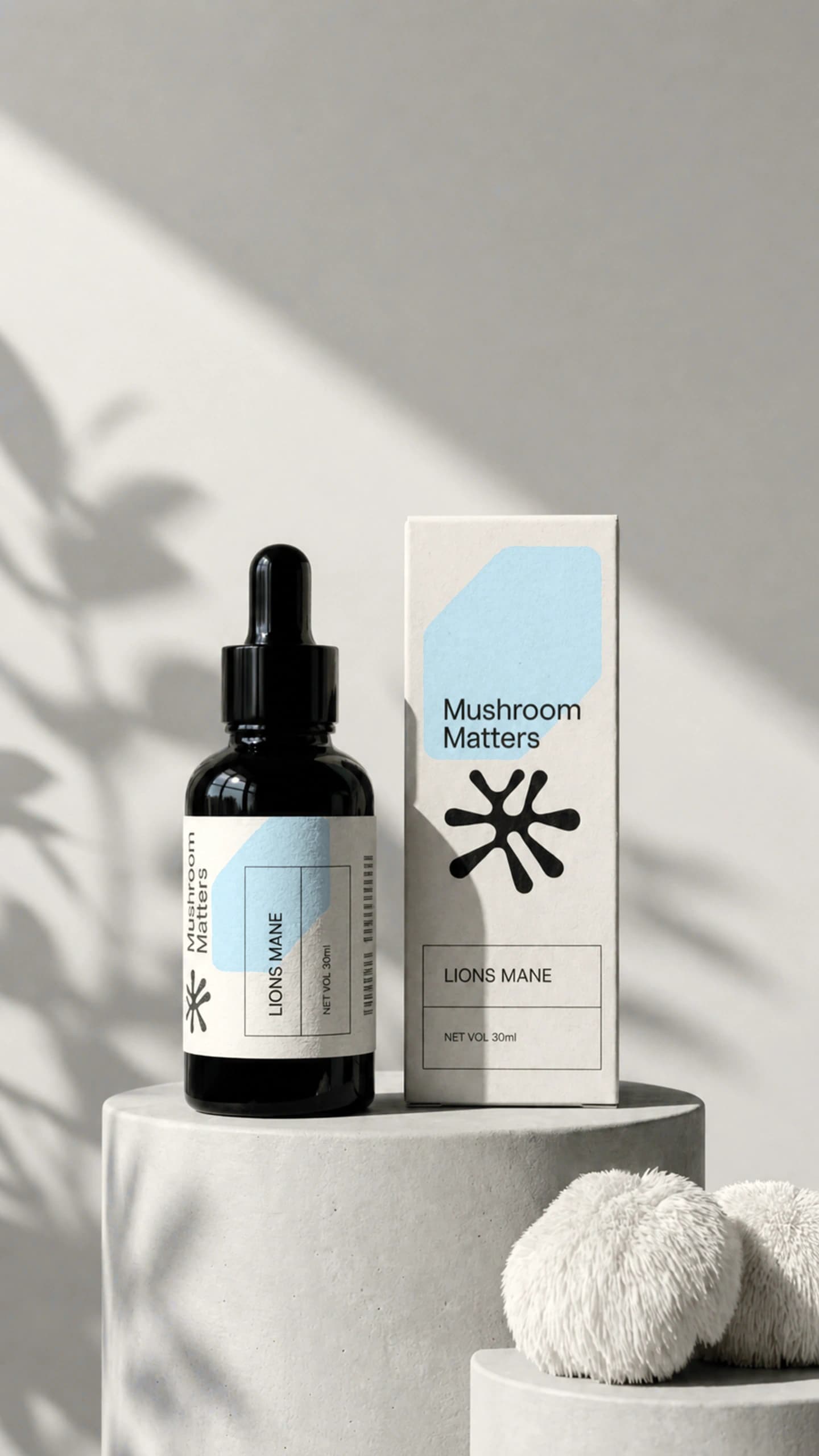
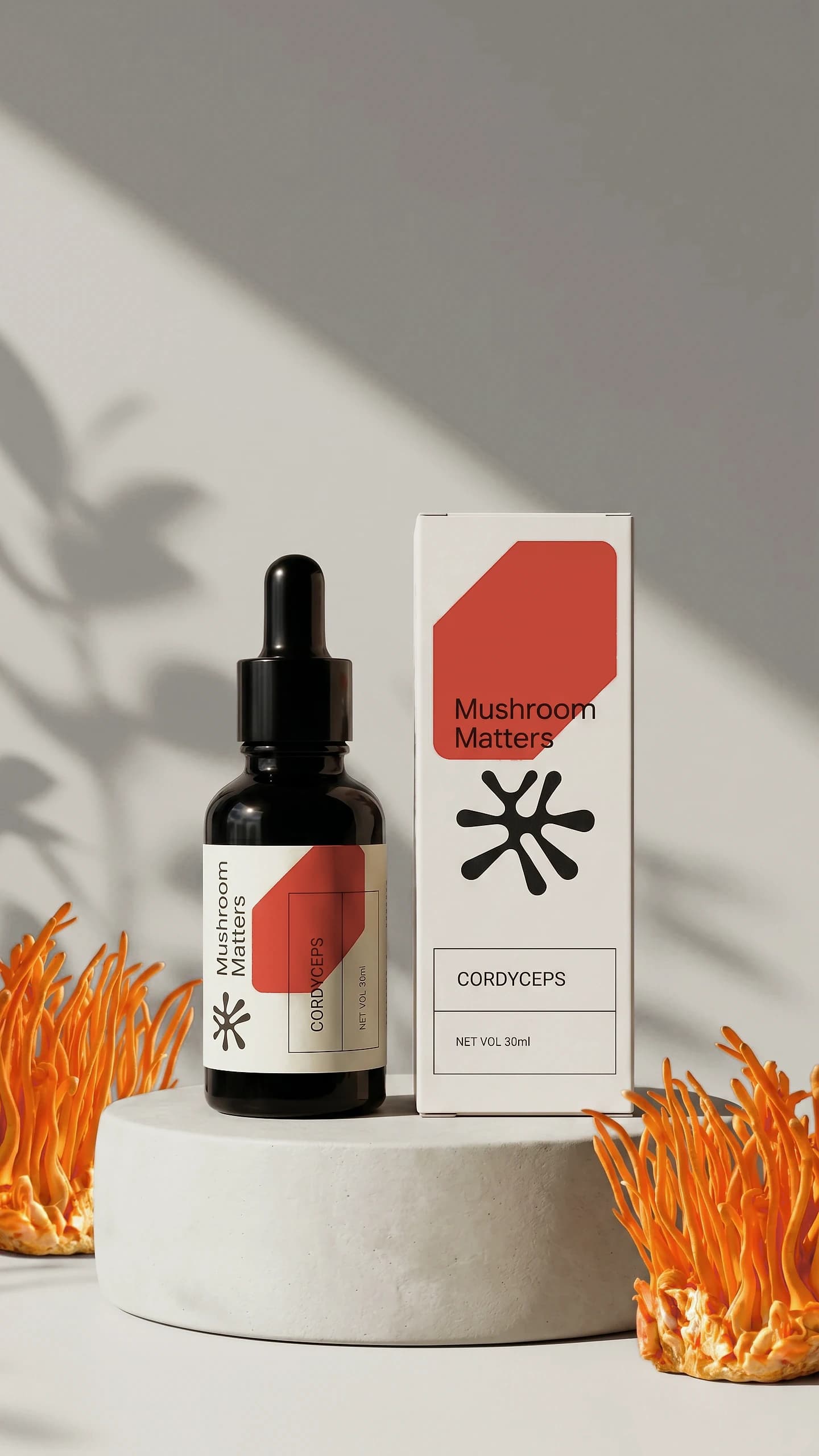
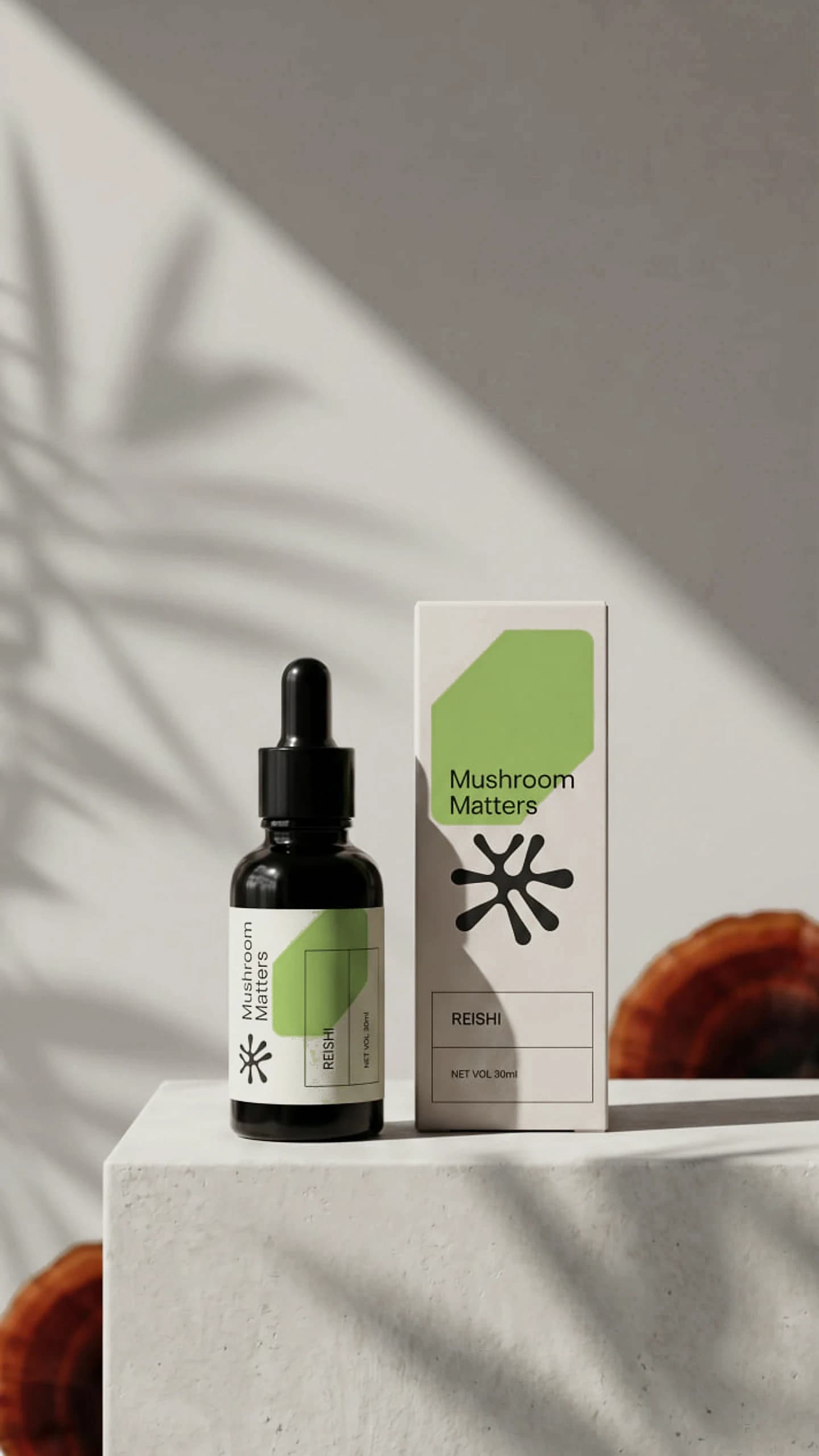
Growing your own also trains an eye for the rest of the fungal world. The same care with cleanliness, temperature, and timing sits under the cultivation of functional species: lion's mane, reishi, cordyceps, grown not for the dinner plate but for the compounds inside them. Once you have watched a block turn white and fruit on schedule, you read any mushroom product more sharply, from a fresh cluster at the market to a concentrated extract in a bottle.
That is the thread running from a kitchen shelf to what we do. Mushroom Matters is a mycology startup in Yerevan; we take the mystique off the science and try to make cultivation legible. Not magic, just mycology. If a first oyster grow leaves you curious about the functional side, our lion's mane, reishi, and cordyceps extracts are made in that same spirit, and we bring them to your door.
Read next
Sources
From the shop
Comments
Leave a comment or ask a question.